
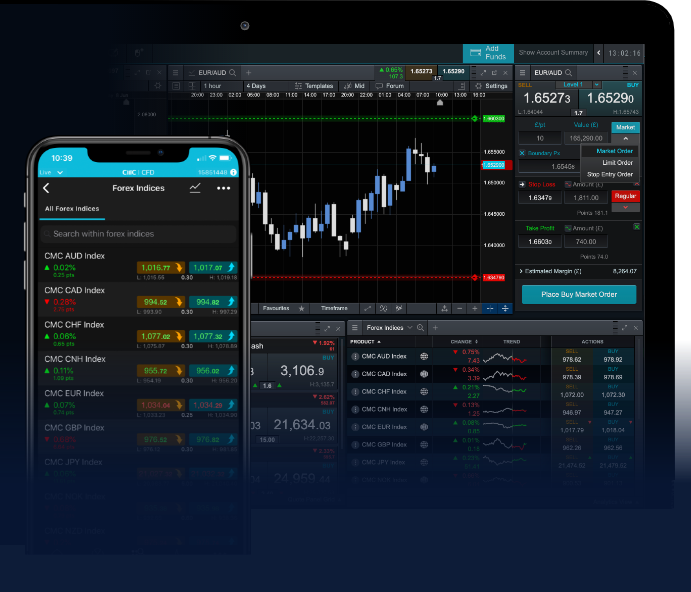
Forex vs Stocks: Understanding the Key Differences in Trading
Trading is a popular activity that attracts countless investors seeking to capitalize on market movements. Among the various assets available for trading, forex (foreign exchange) and stocks are two of the most prominent. Each market has its unique characteristics, advantages, and drawbacks. In this article, we will explore the differences between trading forex and stocks, providing insight for those considering which avenue to pursue. For a comprehensive understanding of trading strategies and resources, visit trading forex vs stocks Trading PH.
1. Market Overview
The forex market is the largest and most liquid financial market globally, with a daily trading volume exceeding $6 trillion. It involves the exchange of one currency for another and operates 24 hours a day, five days a week, across major financial centers worldwide. In contrast, the stock market is centered on the buying and selling of shares in publicly traded companies. The global stock market has a cumulative market cap exceeding $90 trillion, with its exchanges operating within specific hours determined by the local timezone.
2. Market Hours
The continuous nature of the forex market is one of its significant advantages. Leveraging global time zones, trading can occur any time of the day or night, allowing traders to respond swiftly to economic announcements, geopolitical events, and other market developments. This flexibility enables traders to implement strategies that align with their availability and market dynamics.
On the other hand, stock markets have fixed trading hours that are subject to the operating hours of the respective exchanges. For instance, the New York Stock Exchange (NYSE) operates from 9:30 AM to 4:00 PM EST. While some exchanges offer after-hours trading, it is generally accompanied by decreased liquidity and higher volatility, which may not appeal to all traders.
3. Volatility and Liquidity
Liquidity is a critical factor in trading. The forex market is known for its high liquidity, as it involves major currencies that are traded extensively. This high liquidity typically results in tighter spreads (the difference between the buy and sell price) and more efficient price discovery.
Stocks, while also liquid, can be affected by company-specific events such as earnings reports, mergers, or regulatory changes. These factors can introduce higher volatility in certain stocks, leading to price swings that may not be as prevalent in the forex market. Traders must consider these aspects when selecting which market to engage in, as volatility can present both opportunities and risks.
4. Leverage
Leverage is a double-edged sword in both forex and stock trading. In forex, brokers often offer substantial leverage, allowing traders to control large positions with relatively small amounts of capital. For example, a common leverage ratio is 100:1, meaning that a trader can control $100,000 in currency with just $1,000 of their own money. While this can lead to significant profits, it also increases the risk of substantial losses.
In the stock market, leverage is typically lower than in forex trading. Regulations often limit the amount of leverage brokers can provide, commonly around 2:1 to 4:1 for retail investors. This can limit potential profits compared to forex trading but also mitigates risk. Investors must weigh their risk tolerance against their desire for leverage when deciding which market to trade.
5. Trading Strategies
The strategies employed in forex trading often differ from those in stock trading due to the nature of the assets. Forex traders frequently utilize technical analysis and focus on macroeconomic indicators, such as interest rates, inflation, and employment data. Fundamental analysis plays a crucial role in understanding currency movements, and many forex traders closely follow geopolitical events that can influence currency value.

In contrast, stock traders may utilize a mix of fundamental and technical analysis. Company earnings, revenue growth, and market positioning are vital metrics for stock analysis. Long-term investors in stocks may focus on value investing, whereas traders looking for short-term gains might adopt momentum or day trading strategies. As a result, the choice of trading strategies can dictate which market aligns better with a trader’s goals.
6. Costs of Trading
The cost structure differs between forex and stock trading as well. Forex trading typically involves spreads and occasional commissions, depending on the broker’s model. Due to the high liquidity in the forex market, spreads are often tighter, making it cost-effective for traders executing multiple trades daily.
Stock trading costs may include commissions, transaction fees, and spreads. While many brokers have moved to a commission-free model, costs can accumulate based on the trader’s activity level and the specific stocks being traded. Traders should consider these costs when deciding between forex and stocks, as they affect overall profitability.
7. Conclusion
Choosing between trading forex and stocks ultimately comes down to individual preferences, financial goals, and risk tolerance. Forex trading offers a flexible, liquid market with substantial leverage but also comes with heightened risk. Stock trading provides a more regulated environment, varied cost structures, and the ability to invest in underlying companies directly. Understanding the intricacies of each market is crucial for making informed trading decisions.
Whether you decide to trade forex, stocks, or both, continued education and strategy development are essential for success. Always consider your risk management practices and stay updated on market trends to navigate the trading world effectively. Happy trading!